You arrive and the firebox is wet
The house sat closed through the winter rains. You open it up and there is a dark streak down the back wall of the firebox, a rust ring around the damper, or a ceiling stain beside the chimney that was not there in spring. Nobody saw the water come in, so nobody knows how long it has been coming.
Leaks are the most common finding we write up for second homes in Laguna Hills and along the coast to San Clemente. This post explains where the water usually enters, which repairs follow, and how each is priced.
Where water gets into a chimney
A chimney has five usual entry points. The fix depends entirely on which one it is, and more than one is common.
- The crown. The concrete or mortar slab on top of a masonry chimney cracks with age and with ground movement. Water runs through the cracks into the brick below. See chimney crown repair.
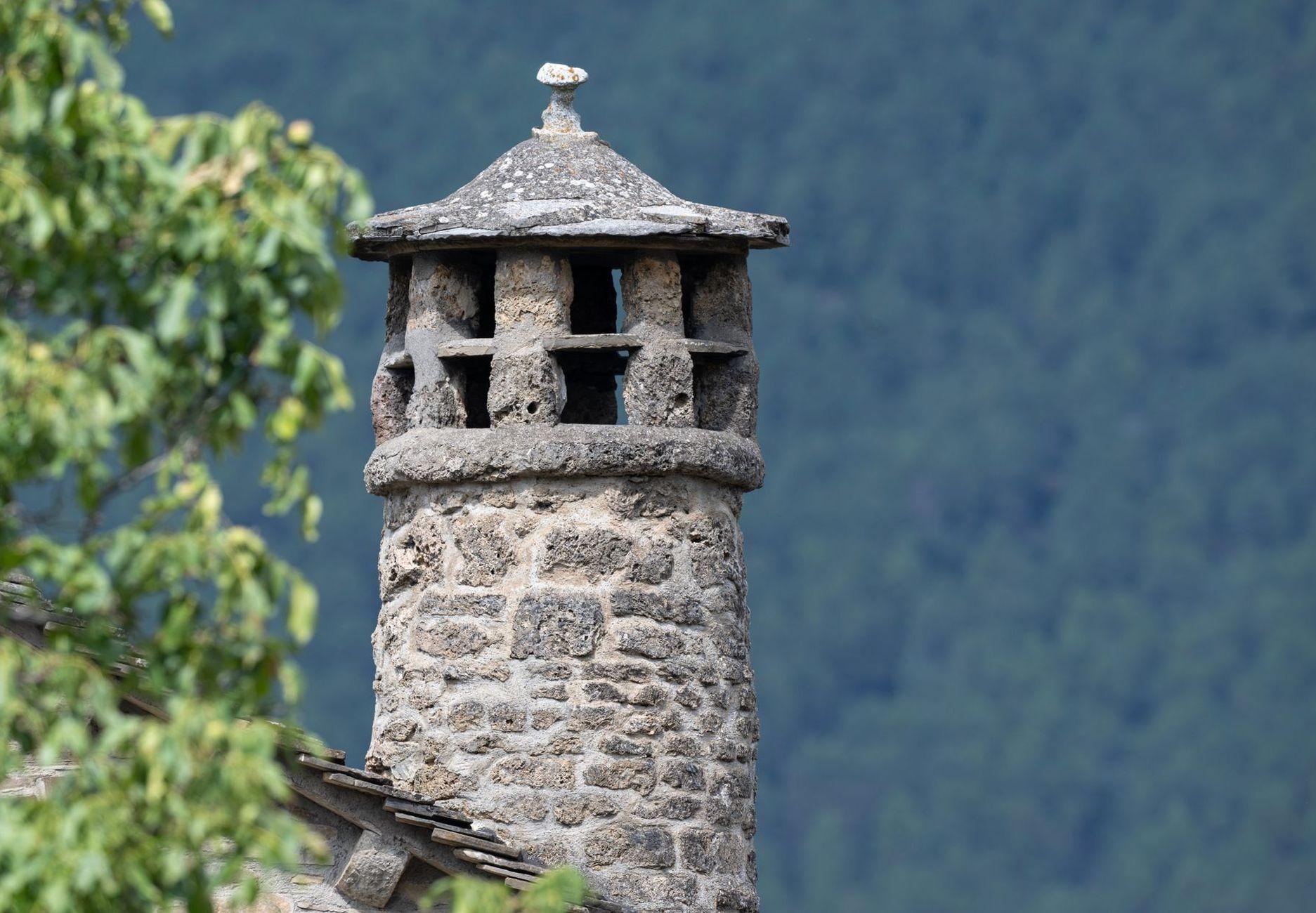
- The open flue. Without a cap, every storm drops water onto the smoke shelf and the damper plate. Fitting a chimney cap closes it off in one short roof visit.
- The flashing. The metal where the chimney meets the roof lifts, rusts or loses its sealant. Water follows the outside of the chimney into the attic. See chimney flashing repair.
- The brick and mortar. Old mortar joints and porous brick soak up rain and pass it inward. Near the coast, marine air speeds up the wear. See chimney waterproofing.
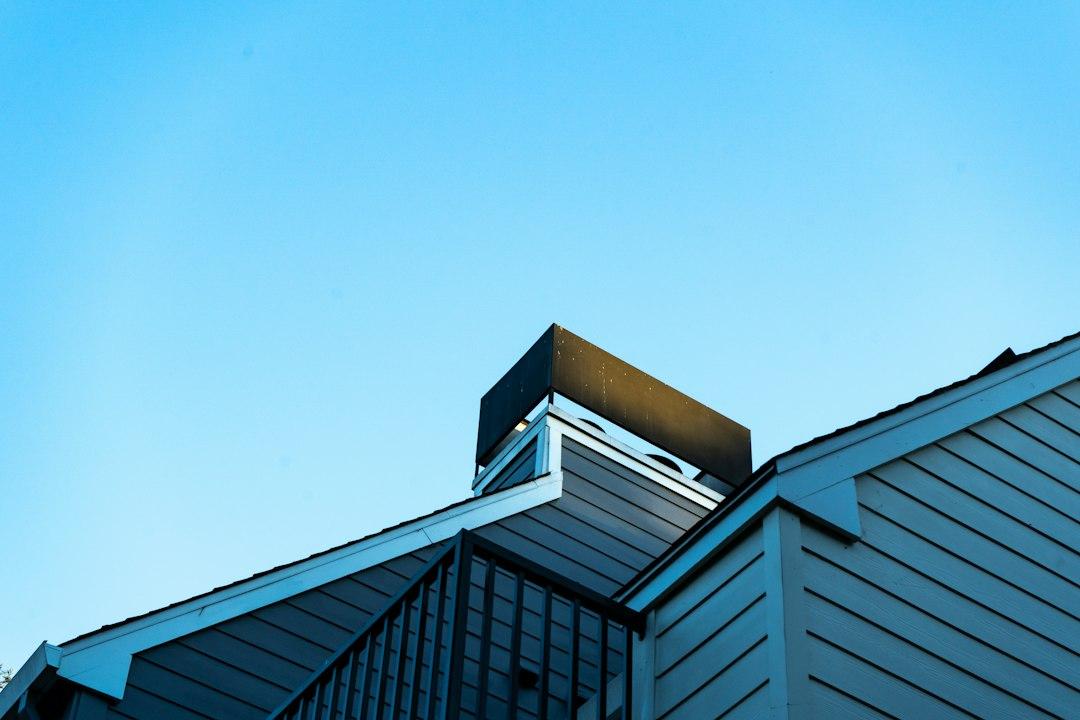
- The chase top. On factory-built fireplaces, the sheet-metal cover on top of the wood-framed chase rusts and dishes, and water pools and drips through. See chimney chase cover.
What the leak visit finds
On a chimney leak repair visit we trace the water before we price anything. We look at the crown, the cap, the flashing and the brick from the roof, and at the attic side and the firebox from inside. Where staining reaches into the flue, a camera run shows whether tiles have cracked or mortar has washed out of the joints. A wet flue sometimes points to a damaged liner, and chimney liner installation then becomes part of the conversation.
We also check what the water has already damaged:
- A damper plate rusted shut or rusted through. See chimney damper repair.
- Firebox mortar that has softened.
- Rafters or drywall beside the chimney, which we photograph and leave to the right trade.
What decides the price
Every leak repair on this page is quoted in writing after we have seen it, because no two chimneys fail the same way. The figure depends on:
- The entry point, or points. A single cracked crown is one line. Crown, flashing and brick together are three.
- The size of the damage. Hairline crown cracks can be sealed. A crown broken into pieces is rebuilt.
- The material. Brick, block, stucco-covered masonry and metal chases each take a different repair.
- Roof access. Tile roofs need more care than shingle, and two-story chimneys take longer.
- Secondary damage. A rusted damper or a soaked liner adds its own line.
The only priced item here is the inspection that finds the leak: a Level 1 for $170, or a Level 2 with video scan for $405 when water has reached the flue. The cap is quoted after we measure.
The next step: photos of the crown and the stain
For a leak, the photos tell us most of what we need. Send photos of the crown, the chimney top and any stain inside for a written quote. Add when the stain first showed up, if you know, and whether the fireplace is wood or gas. We reply with the likely source, the repair it points to, and a fixed price once we have been on the roof.
Why a leak in an empty house costs more
Water in an occupied house gets noticed at the first drip. In a house that sits closed, the same leak runs for months. That is how a crown crack that could have been sealed becomes a crown that has to be rebuilt, and how a rusty damper becomes a damper that will not open. Owners who book a check before the rains, and a second look after them, catch most leaks while they are still small jobs.
On a closing visit we photograph the crown, the cap and the flashing and write down their condition. If something will not last the winter, you get a written quote while there is still time to act. The cap cost guide describes the rest of that visit.
Sealing the brick after the fix
Once the entry point is repaired, some owners ask for a water-repellent coat on the brick as well. It is a sensible add-on for chimneys near the coast and for brick that already shows white salt marks or flaking faces. It is not a cure for a cracked crown or a lifted flashing, and we will not sell it as one. The quote lists it as an optional line, separate from the repair, so you can decide on it after the main work is done.
Quakes and leaks
Some leaks start with a shake rather than with age. A crown that cracks in an earthquake lets water in from the next storm on. If a leak appears after a quake, ask for a Level 2, not just a patch. Our seismic retrofit page covers bracing, straps and rebuilding a damaged stack down to the roofline when a repair is not enough, and the up to code repairs page starts from the structural items first.
Where we work
We are based in Laguna Hills and cover San Clemente, Mission Viejo, Irvine and the towns between. Coastal houses see more salt and mortar wear. Inland houses see more cracked crowns from heat and quake movement. The areas page shows the rest.
Call before the next storm
Call through the phone button at the top of this page. Tell us where the stain is and how long the house has been empty. We will tell you which visit to book and what the written quote will cover.
Fireplace Idle Since Last Season?
Falkner Chimney Services works from Laguna Hills, out to Mission Viejo, Irvine and San Clemente. Send your arrival week, describe the chimney top when we call, and we book the cap, flue and pilot check before you light anything.