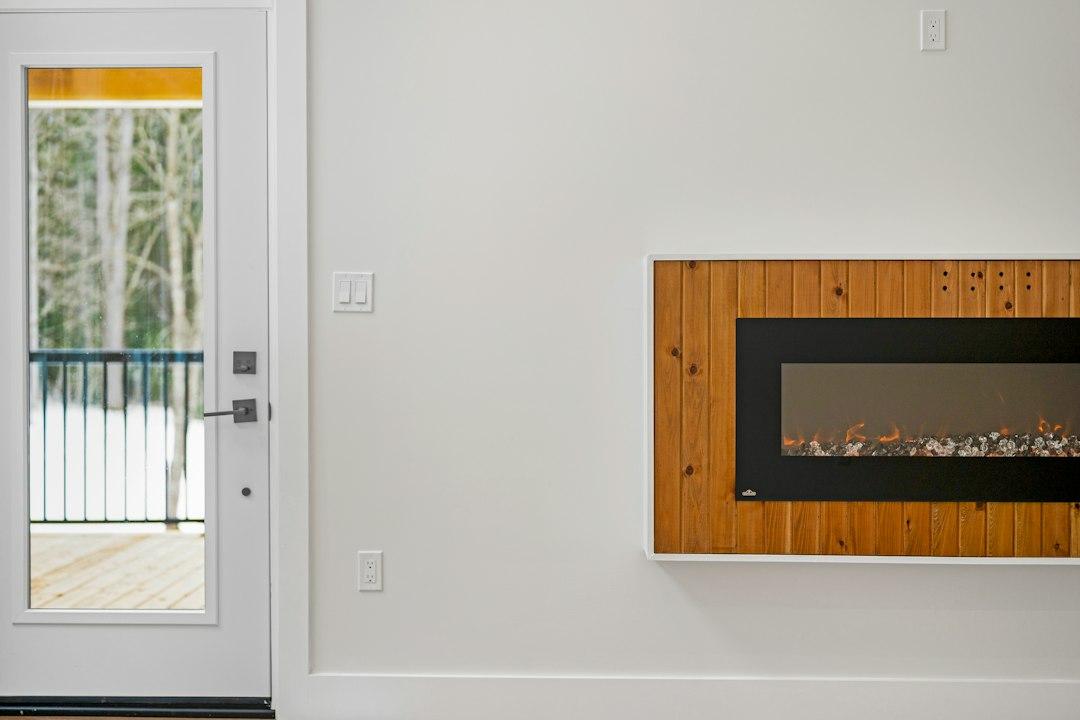
The pilot has been off since spring
A gas fireplace in a house that sits empty is not the same appliance it was when you left. The pilot went out or was turned off. The batteries in the receiver went flat. Spiders moved into the burner ports, and a film settled on the glass. None of that is dangerous while the valve is off. It becomes a problem the evening someone arrives, turns the key and holds the button.
This post covers what a pre-season gas visit costs and what it covers for second homes and vacant rentals in Laguna Hills, Mission Viejo, Irvine and San Clemente. It is written for owners deciding whether to book one and what to ask for.
What we find in a gas unit that sat
These are the usual findings when we open up a gas fireplace that has been idle for a season or longer:
- Spider webs and nests in the pilot assembly, the burner tubes and the air shutter. They change the flame, and a lazy yellow flame makes soot.
- A dirty thermocouple or thermopile. The pilot lights, then drops out after a few seconds because the sensor cannot prove the flame.
- Dead batteries in the remote, the receiver or the backup pack behind the lower panel.
- A white or grey haze on the glass, baked on from the last fires before the house closed.
- Shifted or broken logs, moved by whoever cleaned the house, which can block the burner ports and push flame where it should not go.
- Blocked vent caps on direct-vent units: wasp nests and bird debris in the outside termination are common on walls that face a quiet garden.
- A carbon monoxide alarm with a dead battery or past its date, or no alarm on that floor at all.
What decides the price
Gas fireplace cleaning and service are quoted in writing after we look at the unit, because the price depends on what the unit is and what we find. The things that move the figure:
- The type of unit. A set of logs in an open masonry fireplace is simpler than a sealed direct-vent box with glass, gaskets and an outside vent.
- Access to the vent cap. A termination at shoulder height is quick. One on a second-story wall or through the roof needs a ladder setup.
- Parts. A thermocouple, a battery pack or a glass gasket is a small line. A gas valve or an ignition module is a larger one, with a lead time we state on the quote.
- How many units. A house with a gas fireplace in the living room and another in the main bedroom is one trip and two lines.
If the house also has a wood-burning fireplace or the gas logs sit in a masonry chimney, a Level 1 inspection of the chimney costs $170 and can happen on the same visit.
The next step: model plate and photos
Most of the price is in the details of the appliance. Send a photo of the rating plate and the vent cap for a written quote. The plate is usually on a chain under the lower grille or on the inside of the side panel. Add the address, when someone will be at the house next, and whether the pilot was left on or off. From that, we tell you what the visit covers, what it costs and which parts we may need to bring.
What the visit includes
On a pre-season gas visit we work in a set order:
- Confirm the gas supply and the valve position.
- Clear the pilot assembly, burner and air shutter.
- Test the thermocouple or thermopile and the ignition.
- Clean the glass and check the gasket that seals it.
- Reset the logs to the maker's layout.
- Check the vent cap outside for nests and damage.
- Run the unit and watch the flame.
- Note the carbon monoxide alarm on that floor.
You get photos of each step and a short written note: what we cleaned, what we tested, what we replaced, and whether the unit is ready to use. If a part has to be ordered, the note says which part and what it costs, and nothing is replaced without your approval.
When repair stops making sense
Most gas units we see in second homes only need cleaning and a part or two. Now and then a unit is old enough that parts are hard to source, or the firebox is cracked, or the owner wants heat instead of a show flame. In that case the quote says so with the reason, and we price the options from our list:
- A gas insert in an existing fireplace, installed: $2,900 to $5,800.
- A direct-vent gas fireplace in a new location: $4,650 to $9,350.
We only raise those when a repair is not the sensible choice. A pilot that will not stay lit is worth fixing.
Rentals and short stays
A gas fireplace in a rental is the one appliance guests use without reading anything. If the house rents by the week or sits vacant between tenants, put a gas check on the calendar before the cool months, not after the first complaint. Our property managers and HOA page shows how we schedule several units on one trip, and the gas fireplace repair page covers the parts work in more depth.
Before you leave the house again
When you close the house at the end of the season, ask us to write down the state of the unit: valve off or on, pilot status, batteries, glass condition. Next season starts from that record instead of a guess. The cap cost guide covers the same closing visit for wood-burning chimneys.
Where we work
We are based in Laguna Hills and cover Irvine, Mission Viejo, San Clemente and the towns between. See the Laguna Hills page for the rest.
Call to book the gas visit
Call through the phone button at the top of this page. Give us the address, the make of the fireplace if you know it, and the date someone will be at the house. We will tell you what the visit covers, what the quote will list, and who will get the photos.
Fireplace Idle Since Last Season?
Falkner Chimney Services works from Laguna Hills, out to Mission Viejo, Irvine and San Clemente. Send your arrival week, describe the chimney top when we call, and we book the cap, flue and pilot check before you light anything.